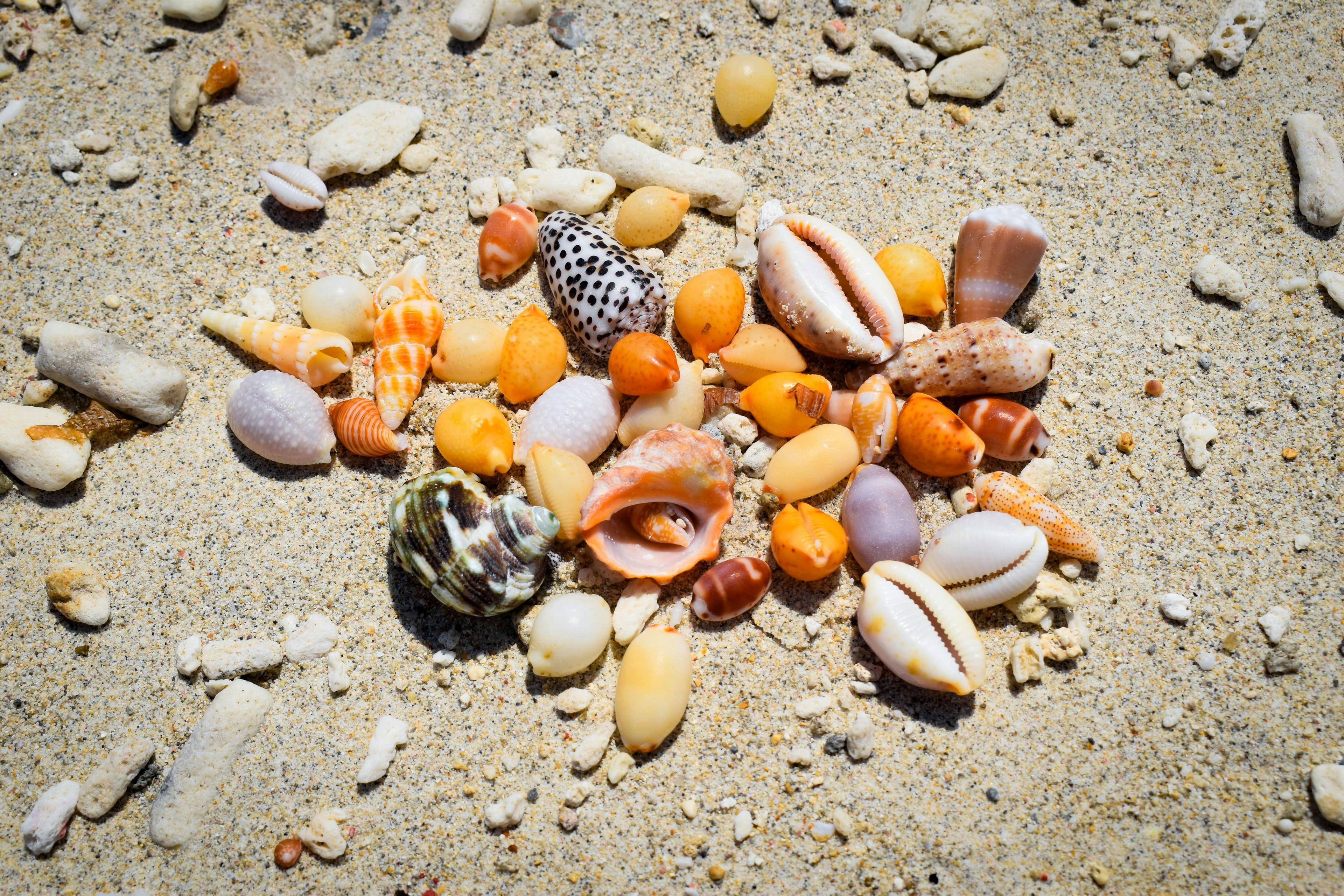
The Gulf Coast won't compete with Sanibel Island for sheer volume and variety — but the right beaches at the right time deliver genuinely excellent shelling: lightning whelks, sand dollars, horse conchs, moon snails, and more. Here's where serious shellers go on the Alabama and Florida Panhandle coast.
What Makes Gulf Coast Shelling Different
The Gulf Coast is better for shelling than most people expect. Unlike the Atlantic coast, where surf constantly breaks shells, the Gulf's calmer, shallower water allows intact shells to wash ashore. The catch: the same white quartz sand that makes the beach beautiful makes shells harder to spot by color contrast.
The best Gulf Coast shelling happens after storms (when shells get churned up from the seafloor), at low tide (more beach exposed), and early in the morning before other walkers have gone through. Shelling season is technically year-round, but fall and winter storms often produce the best post-storm accumulations.
The Best Shelling Spots, Ranked
1. Dauphin Island, Alabama — Best Overall
Dauphin Island is the top shelling destination on the northern Gulf Coast, and it's not close. The western tip of the island — known as "Dinosaur Island" or the "Sand Island" — is accessible only by boat or kayak and accumulates shells in extraordinary numbers after storms. Lightning whelks, horse conchs, moon snails, and large scallops are all common.
Even the main West Beach access produces good shelling after northerly winds or tropical storms push shells onshore. The island sits at the mouth of Mobile Bay, so it catches shells from a wider geographic area than most beaches.
Best approach: Kayak to Dinosaur Island at low tide. Rent kayaks from the island's outfitters. Early morning is essential — this spot is well-known among local shellers.
2. Shell Island, Panama City Beach — Best for Variety
Shell Island earns its name. This uninhabited barrier island east of St. Andrews State Park is accessible only by water taxi or private boat — which limits the foot traffic and leaves more shells for those who make the effort. The sand spit at the eastern tip near the jetties is particularly productive.
Look for scallops, pen shells, calico clams, Atlantic cockles, and the occasional lightning whelk. The snorkeling around the jetty rocks also turns up shells that haven't made it to the beach yet.
Best approach: Take the water taxi from St. Andrews State Park marina. Walk east toward the jetty tip at low tide.
3. Navarre Beach, Florida — Best for Solitude
Navarre Beach's low foot traffic makes it consistently productive for shellers who arrive early. The Gulf Islands National Seashore designation means the beach is minimally developed — shells that wash up stay there longer than at busier destinations.
The beach east of the fishing pier (walking toward Gulf Islands National Seashore) is the best area. Lightning whelks, moon shells, olive shells, and banded tulips all appear regularly.
4. Perdido Key, Florida/Alabama Border
The state park at the western end of Perdido Key — Perdido Key State Park — has some of the least-disturbed beach on the Gulf Coast. No development to speak of, good shell accumulation in the wrack line after storms, and almost no competition from other shellers. It's a 30-minute drive from either Orange Beach or Pensacola.
5. St. Andrews State Park, Panama City Beach
The jetty area at St. Andrews State Park produces good finds, and the sand spit facing the pass concentrates shells that get swept in by tidal currents. Easier access than Shell Island (no boat needed) with reasonably good shelling, especially in fall and winter after frontal passages.
What Shells to Look For
- Lightning Whelk — the crown jewel of Gulf Coast shelling; a large spiral shell that opens left-handed (counterclockwise), the Alabama state shell. Common at Dauphin Island.
- Horse Conch — Florida's state shell; one of the largest univalves in the world. Orange interior when fresh. Found mainly on Florida beaches.
- Moon Snail / Shark Eye — smooth, round snail shell with a dark spiral center. Very common throughout the Gulf Coast.
- Sand Dollar — the flat, flower-patterned echinoderm skeleton. Look for white/bleached ones in the surf; dark gray-brown ones are still alive and must be left.
- Olive Shell — small, glossy, cylindrical shell in cream and tan patterns. Common at most Gulf beaches, beautiful when polished by the surf.
- Banded Tulip — a slender, orange-and-white striped spiral shell. Moderately common at Florida Panhandle beaches.
- Atlantic Calico Scallop — the colorful scallop with orange, purple, and white markings. Common at Shell Island and along the PCB coast.
- Cat's Paw Oyster — a small, ribbed oyster with a distinctive claw shape. Common at Dauphin Island around the shell mound areas.
Pro Tips for Better Gulf Coast Shelling
- Go early. The best shells are found at first light — before other beachgoers and before the sun washes out color contrast. 6:30–8:30am at low tide is the prime window.
- Check tide charts. Low tide exposes more beach and more shell accumulation. The hour before and after low tide is your window. Use a tide app for your specific location.
- Go after storms. The day after a strong front passes — northerly winds especially — is often the best shelling day of the year. The choppier water churns up shells from the seafloor and deposits them on the beach.
- Walk the wrack line. The line of seaweed and debris at the high tide mark concentrates shells. Scan along it rather than in the open sand.
- Bring a mesh bag. A mesh bag lets water drain and keeps shells clean during your walk. Don't use a plastic bag — shells need air circulation.
- Look shallow. Some of the best finds are in knee-deep water where shells haven't fully washed ashore yet. Water shoes and willingness to wade pay off.
Planning a Gulf Coast Shell-Hunting Trip?
Dauphin Island, Shell Island (Panama City Beach), and Navarre Beach are the top picks. Browse rentals near each one — fall and winter are the best shelling seasons.